
What Are Stablecoins? A Simple, Deeply, Explained Guide for SMBs
Money hasn’t kept up with how fast modern business moves.
According to the World Bank’s Global Remittances Report (2024), the average cost of sending money internationally is 6.3%, and settlement can take 3–7 days. Domestic transfers aren’t much better: ACH still takes 3–5 business days, and banking cut-off hours slow everything down.
At the same time, 70% of SMBs face cash-flow issues caused by late payments
Businesses needed a dollar that moved digitally instantly, globally, and predictably.
Stablecoins emerged as that solution.
They weren’t built for traders.
They were built for payments.
What Are Stablecoins?
A stablecoin is a type of digital currency designed to maintain a stable price, almost always pegged to the U.S. dollar.
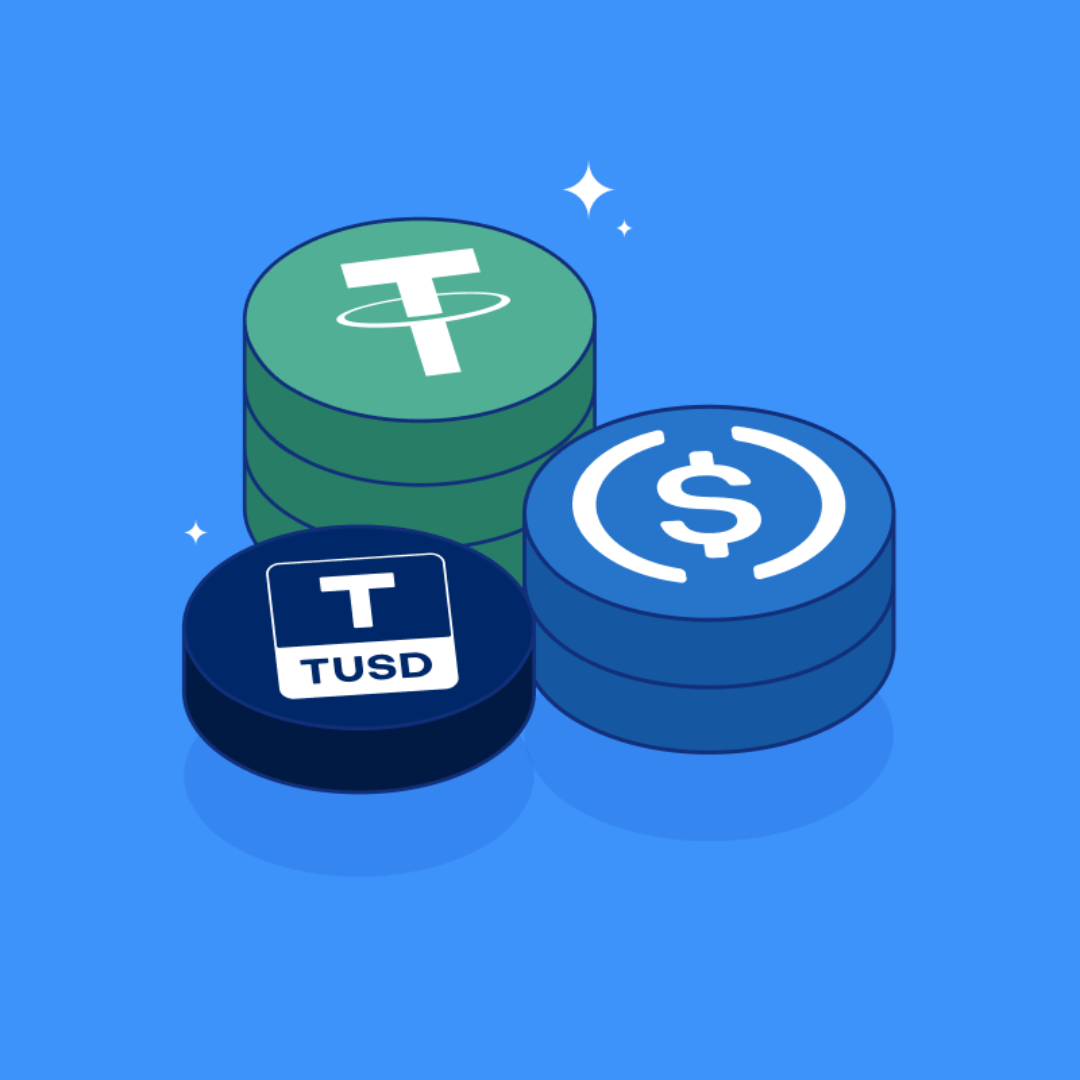
If you hold 1 USDC or 1 USDT, the goal is simple: it should always be worth $1.00.
Stablecoins combine the reliability of dollars with the speed and global reach of blockchain payments.
In contrast:
- Bitcoin can move 20% in a day.
- Ethereum can rise or fall 10% in hours.
That volatility makes them hard for payroll, invoicing, or business transactions.
Stablecoins exist to solve that exact problem.
The Two Most Relevant Stablecoins for Businesses
USDC is trusted by companies like Visa, Coinbase, Stripe, and Shopify.
USDT is widely used across Asia, Africa, South America, and Eastern Europe for fast cross-border transfers.
Together, USDC + USDT process over $100B+ in daily volume (CoinMarketCap, 2025).
Stablecoins aren’t “crypto hype.”
They’re becoming payment infrastructure.
Why Should Small Businesses Care About Stablecoins?
Stablecoins directly solve real SMB problems:
1. ACH delays
ACH transfers take 3–5 business days, sometimes longer on weekends or holidays.
2. Wire transfer fees
Domestic wires cost $25–$35.
International wires cost $45–$65 + FX loss.
3. International payments are slow and unpredictable
Many U.S. SMBs work with:
- designers in Eastern Europe
- developers in India
- agencies in South America
- suppliers in China
These payments can take 5–7+ business days and lose 3–8% in currency conversion.
4. Cash-flow uncertainty
According to QuickBooks Small Business Insights (2024):
- 70% of SMBs face late payments
- 52% wait more than a month past the due date
- 1 in 3 SMBs struggle with payroll because of late invoices
Stablecoins provide:
- Instant settlement (seconds)
- Global reach
- 24/7 transfers
- Lower fees
- Predictable timing
They fix the core SMB pain point: cash flow.
How Stablecoins Actually Work
Stablecoins maintain their peg to $1 through one of three mechanisms.
1. Fiat-Backed Stablecoins (Most Reliable: What Businesses Use)
These are backed by real-world assets:
- U.S. dollars
- U.S. Treasuries
- Cash equivalents
This backing ensures that each digital coin is redeemable for real money.
Example: USDC (Circle)
Circle publishes monthly reserve audits by Deloitte showing that every USDC is backed 1:1.
Example: USDT (Tether)
Backed by cash, treasuries, and short-term securities; attested quarterly.
Fiat-backed stablecoins dominate because they are:
- simple
- transparent
- liquid
- widely accepted
These are the only stablecoins SMBs realistically use.
2. Crypto-Backed Stablecoins (More Decentralized, Less Common for Businesses)
These are backed by cryptocurrencies like ETH.
They use over-collateralization to control volatility.
Example: DAI (MakerDAO)
To mint $100 DAI, you might deposit $150 of ETH.
They are innovative but more complex.
Small businesses rarely use them for payments.
3. Algorithmic Stablecoins (High-Risk)
These use supply-and-demand algorithms to maintain their peg.
Most have failed.
- TerraUSD (UST) collapsed in 2022
- $40 billion+ was wiped out
Businesses should avoid algorithmic stablecoins. They are not relevant for SMB use cases.
Step-by-Step: How Stablecoin Payments Actually Work
A simple 7-step breakdown:
- You create or receive a wallet (via Coinbase, OKX, Binance, or a business wallet).
- A customer sends USDC/USDT to your business wallet.
- The transaction is broadcast to a blockchain network.
- Validators confirm the transfer (seconds on Solana/Polygon, minutes on Ethereum).
- Funds appear in your wallet instantly.
- You can convert stablecoins to bank USD anytime.
- You can also use them to pay vendors, contractors, or suppliers.
No bank approvals. No banking hours. No intermediary fees.
USDC vs USDT: What SMBs Should Know
For U.S. businesses → USDC is generally preferred.
For international payments → USDT is more widely accepted.
Industry Data: Stablecoins Are Becoming Infrastructure
This is not crypto hype, these are facts:
- Visa launched USDC settlement on Solana and Ethereum (2024).
- Stripe announced USDC payouts across 100+ countries.
- Shopify merchants can accept stablecoin payments via integrations.
- IMF and Bank for International Settlements published reports on stablecoins’ role in cross-border payments.
- Over $150B stablecoins in circulation globally (CoinMarketCap, 2025).
- Stablecoin transfers surpass Visa’s annual transaction volume on some networks.
- (Sources: Visa; Circle Transparency; BIS 2024 Report; IMF Fintech Notes 2023)
Stablecoins are quickly evolving into global payment rails, not speculative assets.
Stablecoins are digital dollars designed to stay at $1. They offer instant settlement, low fees, and global reach, solving real SMB problems like ACH delays, wire fees, and late payments. USDC is trusted for U.S. business use; USDT dominates cross-border transfers.
Learn the differences, the risks, the real-world use cases, and how SMBs choose the right stablecoin for payments, payouts, and global transfers.

Loved by SMBs Everywhere
From startups to growing businesses, teams rely on Nerdpay to keep cash flow nerdishly smooth.
"With Nerdpay, invoicing feels effortless and payments arrive on time. It’s like having an AR sidekick built right into our workflow."
"The automation does the heavy lifting. We save hours every week while keeping client relationships stress-free."
"Nerdpay turned our messy collections process into something predictable. Cash flow finally feels under control."
Ready to Nerd Out on Cash Flow?
Discover how Nerdpay helps SMBs automate accounts receivable, speed up collections, and keep cash flow predictable.